Oncology Check-up
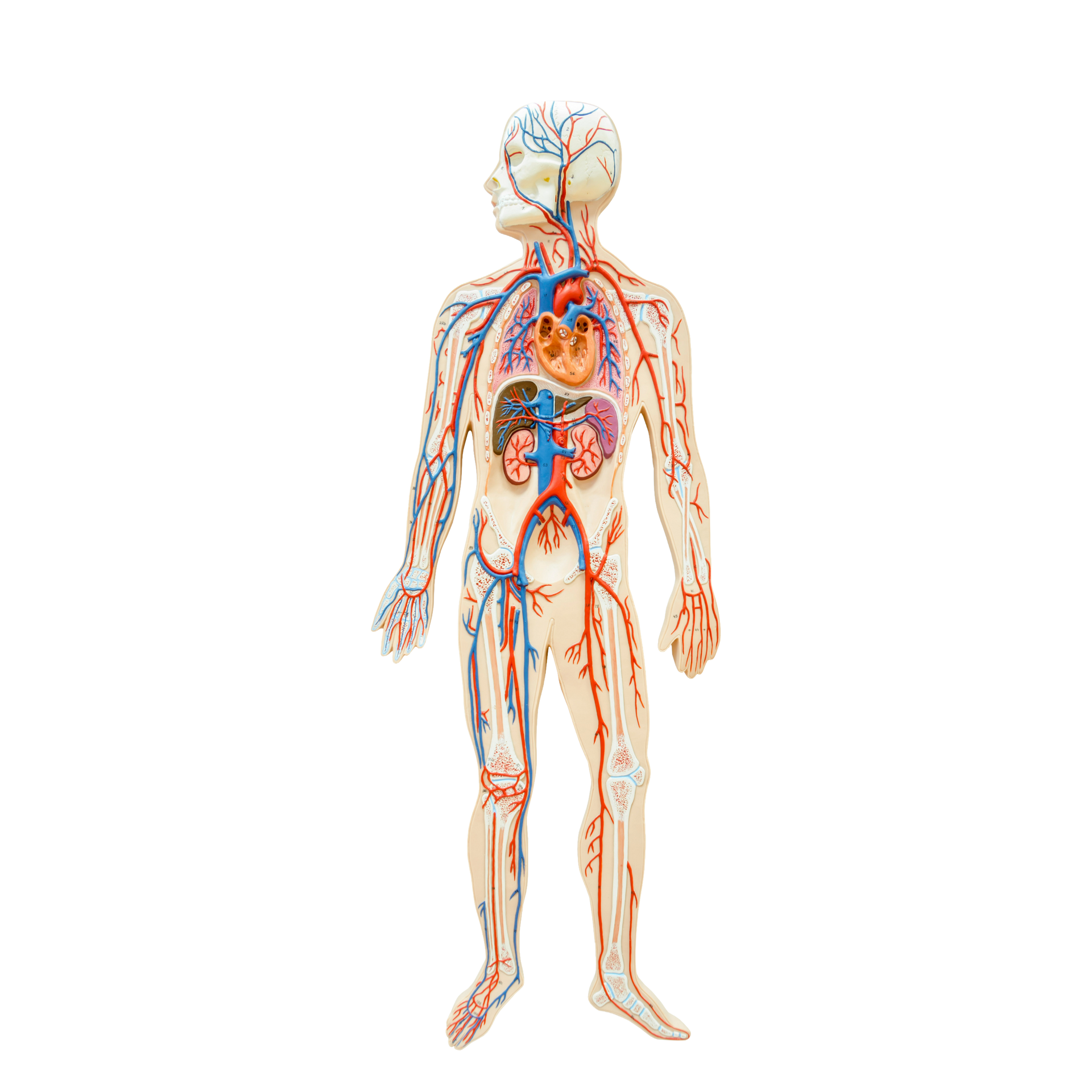
A cancer early detection check-up (oncology) is an examination aimed at detecting cancer at an early stage, before symptoms appear.
This can significantly improve the chances of a cure. There are various methods and recommendations that differ based on age, gender, and individual risk.
Recommended early detection screenings:
Skin cancer screening:
Skin cancer screening is recommended every two years starting at age 35 to detect melanoma, non-melanoma skin cancer, and basal cell carcinoma.
Colorectal cancer screening:
A colonoscopy or a stool test is recommended starting at age 45.
Breast cancer screening:
Mammography is recommended for women aged 50 and older.
Cervical cancer screening:
An annual cervical smear test is recommended for women aged 20 and older.
Prostate cancer screening:
A manual examination of the prostate is recommended for men aged 45 and older.
Self-examination:
Regular self-examinations of the testicles, breasts, and skin are recommended.
Additional check-up examinations:
Check-up 35:
Whole-body MRI:
A whole-body MRI can provide a comprehensive imaging analysis of the body and is also used for early cancer detection.
Laboratory tests:
Blood tests to measure tumor markers can also be used for early cancer detection.
Neurological Check-up
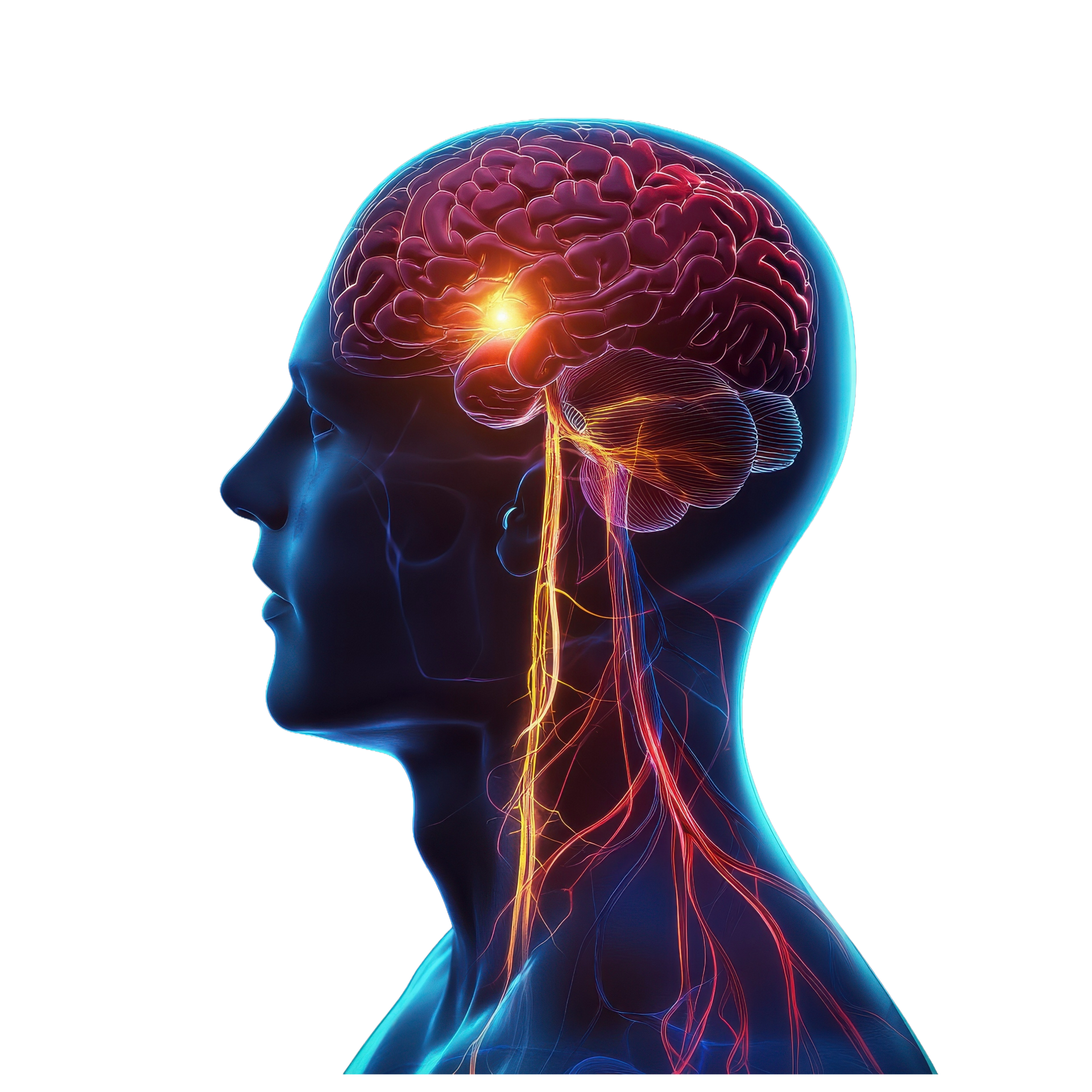
A "neurological check-up" is a neurological examination designed to detect or rule out functional disorders of the nervous system.
It involves assessing various aspects of neurological function, such as mental status, cranial nerves, motor function, sensation, and reflexes.
The goal is to diagnose neurological disorders at an early stage and, if necessary, initiate appropriate measures.
What is assessed during a neurological examination?
A neurological examination may cover the following areas:
Mental status:
Assessment of the level of alertness, orientation, mood, and perceptual ability.
Cranial nerves:
Testing the function of the 12 cranial nerves using various methods, such as checking visual acuity, pupillary response, or hearing.
Motor function:
Assessment of muscle strength, coordination, and gait.
Sensory functions:
Checking for the symmetrical perception of touch and pain stimuli in the limbs.
Reflexes:
Eliciting and assessing various reflexes—such as the patellar tendon reflex—using a reflex hammer.
Additionally, imaging techniques such as MRI (magnetic resonance imaging) or EEG (electroencephalography) may be used to obtain a more detailed view of the brain or brain activity.
When is a neurological check-up advisable?
A neurological check-up may be advisable in the following situations:
Preventive care:
In cases of a family history of neurological disorders (e.g., stroke, dementia) or for the early detection of changes.
Evaluation of symptoms:
In response to complaints such as paralysis, dizziness, speech difficulties, muscle weakness, sensory disturbances, or confusion.
After neurological emergencies:
Following a stroke or in cases of suspected cerebral hemorrhage or tumor.
Heart and Lung Check-up
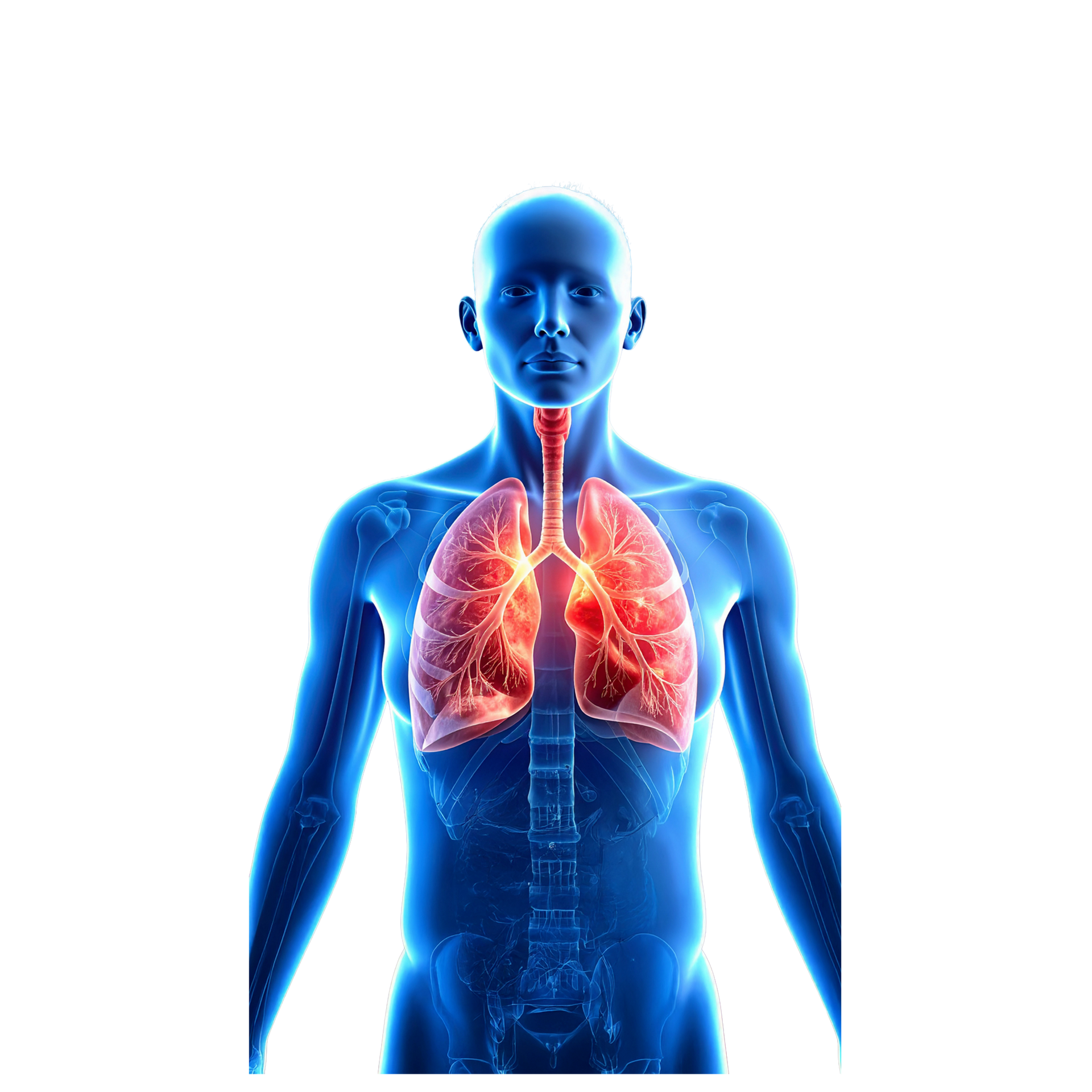
A "heart-lung check-up" is a preventive screening that examines both the heart and the lungs for potential diseases or risk factors.
These examinations are important for the early detection and, if necessary, treatment of cardiovascular and pulmonary diseases.
Examinations included in a heart-lung check-up:
Heart check:
Resting ECG:
Records the heart's electrical activity while at rest.
Exercise ECG:
Assesses heart function under physical exertion (e.g., on a stationary bicycle).
Echocardiography: Ultrasound examination of the heart to evaluate cardiac structure and function.
Doppler/Duplex sonography of the carotid arteries:
Examination of the blood vessels in the neck to detect deposits or narrowing.
Long-term ECG and long-term blood pressure monitoring:
Recording of heart rhythm abnormalities and blood pressure over an extended period.
Blood tests:
Measurement of cholesterol, blood sugar, and inflammation markers.
Cardiac MRI:
In some cases, magnetic resonance imaging of the heart may be advisable, particularly if specific conditions are suspected.
3D cardiography:
A newer method for visualizing heart function.
Lung check:
Spirometry:
Examination of lung function to measure respiratory volumes and capacities.
Spiroergometry:
Exercise test for the lungs and circulatory system.
Chest X-ray:
Can provide indications regarding heart size, fluid in the lungs, or lung diseases.
Blood gas analysis:
Measurement of oxygen and carbon dioxide levels in the blood.
Whole-body plethysmography:
A comprehensive examination of lung function. Optional:
A lung check using computed tomography (CT) is offered to smokers and former smokers aged 55 to 79.
When is a heart and lung check-up advisable?
Cardiovascular screening is recommended from the age of 35.
If there is a family history of cardiovascular or lung disease.
If symptoms such as a racing heart, heart palpitations, or shortness of breath are present.
In cases of excess weight, smoking, or chronic stress.
Before starting strenuous physical activity or traveling to high altitudes.
Check-up for children with rare diseases

Check-ups for children with rare diseases are a vital part of healthcare, enabling early diagnosis and treatment while minimizing potential long-term complications. Newborn screening is a first step toward detecting treatable congenital metabolic disorders and hormonal imbalances that often present no immediate symptoms.
Newborn screening:
Newborn screening is a routine examination performed shortly after birth.
It serves to detect treatable congenital metabolic disorders and hormonal imbalances at an early stage.
Early diagnosis allows for the prevention or mitigation of irreversible damage and developmental disorders.
Examples of conditions screened for include metabolic disorders such as cystic fibrosis and hormonal imbalances.